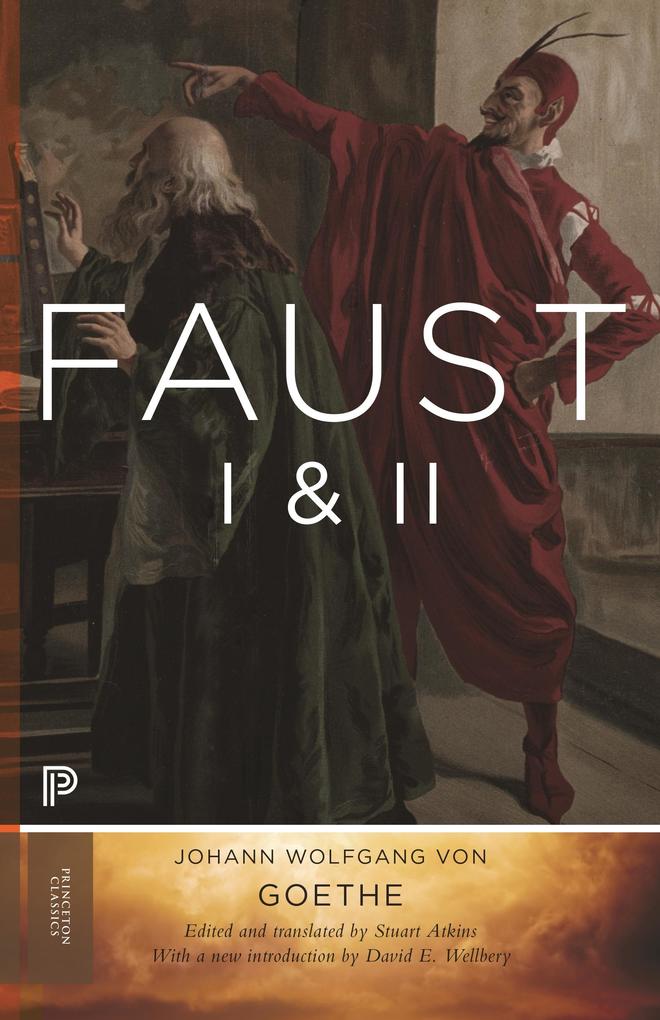
WIR EMPFEHLEN
1911_KDL_HAM_300x250


Klassische Monologe zum Vorsprechen: 
Monologe für Männer / Schauspieler 

Rolle: Mephistopheles 
Stück: Faust - Teil 1 
Autor: Johann Wolfgang Goethe 

Erscheinungsjahr: 1808 
Originalsprache: Deutsch 
Übersetzung (Englisch): Bayard Taylor 
Übersetzung (Französisch): Gérard de Nerval 
Übersetzung (Spanisch): Francesch Pelay Briz 
Übersetzung (Italienisch): Giovita Scalvini 


14. Szene - Wald und Höhle. 

Mephistopheles und Faust.

Buch kaufen
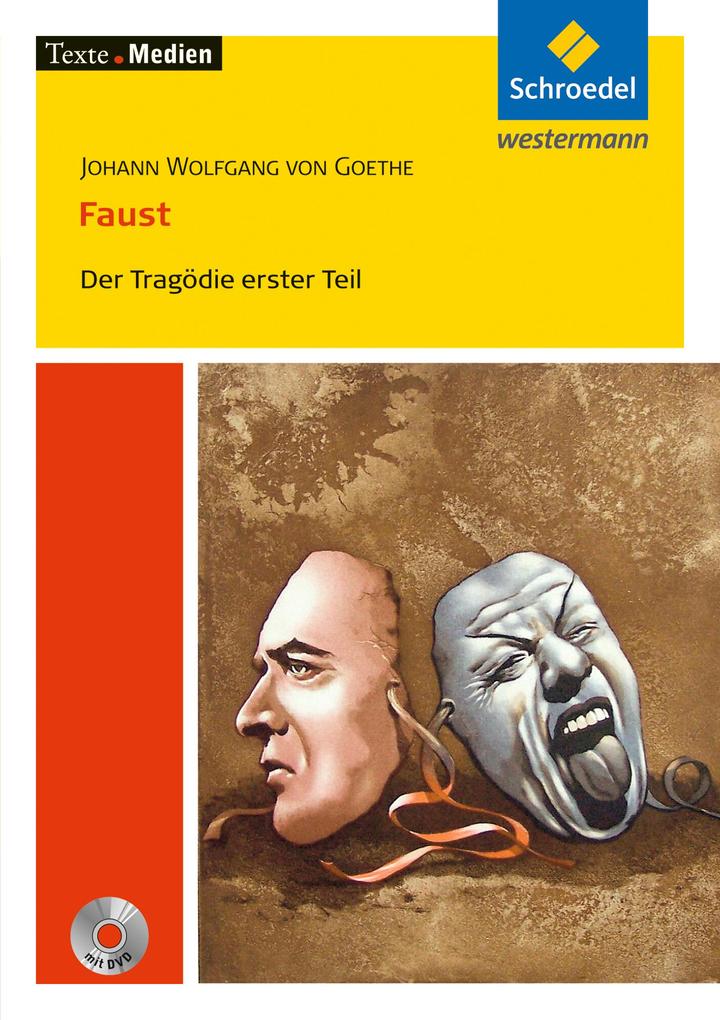
MEPHISTOPHELES: 
Wie hättst du, armer Erdensohn
Dein Leben ohne mich geführt?
Vom Kribskrabs der Imagination
Hab ich dich doch auf Zeiten lang kuriert;
Und wär ich nicht, so wärst du schon
Von diesem Erdball abspaziert.
Was hast du da in Höhlen, Felsenritzen
Dich wie ein Schuhu zu versitzen?
Was schlurfst aus dumpfem Moos und triefendem Gestein
Wie eine Kröte Nahrung ein?
Ein schöner, süßer Zeitvertreib!
Dir steckt der Doktor noch im Leib.
[...] Ein überirdisches Vergnügen.
In Nacht und Tau auf den Gebirgen liegen
Und Erd und Himmel wonniglich umfassen,
Zu einer Gottheit sich aufschwellen lassen,
Der Erde Mark mit Ahnungsdrang durchwühlen,
Alle sechs Tagewerk im Busen fühlen,
In stolzer Kraft ich weiß nicht was genießen,
Bald liebewonniglich in alles überfließen,
Verschwunden ganz der Erdensohn,
Und dann die hohe Intuition – (mit einer Gebärde)
Ich darf nicht sagen, wie – zu schließen.
[...] Das will Euch nicht behagen;
Ihr habt das Recht, gesittet pfui zu sagen.
Man darf das nicht vor keuschen Ohren nennen,
Was keusche Herzen nicht entbehren können.
Und kurz und gut, ich gönn Ihm das Vergnügen,
Gelegentlich sich etwas vorzulügen;
Doch lange hält Er das nicht aus.
Du bist schon wieder abgetrieben
Und, währt es länger, aufgerieben
In Tollheit oder Angst und Graus.
Genug damit! Dein Liebchen sitzt dadrinne,
Und alles wird ihr eng und trüb.
Du kommst ihr gar nicht aus dem Sinne,
Sie hat dich übermächtig lieb.
Erst kam deine Liebeswut übergeflossen,
Wie vom geschmolznen Schnee ein Bächlein übersteigt;
Du hast sie ihr ins Herz gegossen,
Nun ist dein Bächlein wieder seicht.
Mich dünkt, anstatt in Wäldern zu thronen,
Ließ' es dem großen Herren gut,
Das arme affenjunge Blut
Für seine Liebe zu belohnen.
Die Zeit wird ihr erbärmlich lang;
Sie steht am Fenster, sieht die Wolken ziehn
Über die alte Stadtmauer hin.
»Wenn ich ein Vöglein wär!« so geht ihr Gesang
Tage lang, halbe Nächte lang.
Einmal ist sie munter, meist betrübt,
Einmal recht ausgeweint,
Dann wieder ruhig, wie's scheint,
Und immer verliebt.


Scene XXIV - Forest and Cave. 

Mephistopheles and Faust. 

Buch kaufen

MEPHISTOPHELES: 
Poor son of Earth, how couldst thou thus alone
Have led thy life, bereft of me?
I, for a time, at least, have worked thy cure;
Thy fancy's rickets plague thee not at all:
Had I not been, so hadst thou, sure,
Walked thyself off this earthly ball.
Why here to caverns, rocky hollows slinking,
Sit'st thou, as 'twere an owl a-blinking?
Why suck'st, from sodden moss and dripping stone,
Toad-like, thy nourishment alone?
A fine way, this, thy time to fill!
A blessing drawn from supernatural fountains!
In night and dew to lie upon the mountains;
All Heaven and Earth in rapture penetrating;
Thyself to Godhood haughtily inflating;
To grub with yearning force through Earth's dark marrow,
Compress the six days' work within thy bosom narrow,--
To taste, I know not what, in haughty power,
Thine own ecstatic life on all things shower,
Thine earthly self behind thee cast,
And then the lofty instinct, thus-- [With a gesture:] at last,--
I daren't say how -- to pluck the final flower!
[...] Yes, thou findest that unpleasant!
Thou hast the moral right to cry me "shame!" at present.
One dares not that before chaste ears declare,
Which chaste hearts, notwithstanding, cannot spare;
And, once for all, I grudge thee not the pleasure
Of lying to thyself in moderate measure.
But such a course thou wilt not long endure;
Already art thou o'er-excited,
And, if it last, wilt soon be plighted
To madness and to horror, sure.
Enough of that! Thy love sits lonely yonder,
By all things saddened and oppressed;
Her thoughts and yearning seek thee, tenderer, fonder,--
A mighty love is in her breast.
First came thy passion's flood and poured around her
As when from melted snow a streamlet overflows;
Thou hast therewith so filled and drowned her,
That now thy stream all shallow shows.
Methinks, instead of in the forests lording,
The noble Sir should find it good,
The love of this young silly blood
At once to set about rewarding.
Her time is miserably long;
She haunts her window, watching clouds that stray
O'er the old city-wall, and far away.
"Were I a little bird!" so runs her song,
Day long, and half night long.
Now she is lively, mostly sad,
Now, wept beyond her tears;
Then again quiet she appears,--
Always love-mad!
[...] Thou fool, go in and comfort her!
When such a head as thine no outlet knows,
It thinks the end must soon occur.
Hail him, who keeps a steadfast mind!
Thou, else, dost well the devil-nature wear:
Naught so insipid in the world I find
As is a devil in despair.


Scène XIV - Forêts et cavernes. 

Méphistophélès et Faust. 

Buch kaufen

MÉPHISTOPHÉLÈS: Comment donc aurais-tu, pauvre fils de la terre, passé ta vie sans moi ? Je t’ai cependant guéri pour longtemps des écarts de l’imagination ; et, sans moi, tu serais déjà bien loin de ce monde. Qu’as-tu là à te nicher comme un hibou dans les cavernes et les fentes des rochers ? Quelle nourriture humes-tu dans la mousse pourrie et les pierres mouillées ! Plaisir de crapaud ! passe-temps aussi beau qu’agréable ! Le docteur te tient toujours au corps. [...] Un plaisir surnaturel ! S’étendre la nuit sur les montagnes humides de rosée, embrasser avec extase la terre et le ciel, s’enfler d’une sorte de divinité, pénétrer avec transport par la pensée jusqu’à la moelle de la terre, repasser en son sein tous les six jours de la création, bientôt s’épandre avec délices dans le grand tout, dépouiller entièrement tout ce qu’on a d’humain, et finir cette haute contemplation… (Avec un geste.) Je n’ose dire comment… [...] Cela ne peut vous plaire, vous avez raison de dire l’honnête fi. On n’ose nommer devant de chastes oreilles ce dont les cœurs chastes ne peuvent se passer ; et, bref, je vous souhaite bien du plaisir à vous mentir à vous-même de temps à autre. Il ne faut cependant pas que cela dure trop longtemps, tu serais bientôt entraîné encore, et, si cela persistait, replongé dans la folie, l’angoisse et le chagrin. Mais c’est assez ! ta bien-aimée est là-bas, et pour elle tout est plein de peine et de trouble ; tu ne lui sors pas de l’esprit, et sa passion dépasse déjà sa force. Naguère ta rage d’amour se débordait comme un ruisseau qui s’enfle de neiges fondues ; tu la lui as versée dans le cœur, et maintenant, ton ruisseau est à sec. Il me semble qu’au lieu de régner dans les forêts, il serait bon que le grand homme récompensât la pauvre jeune fille trompée de son amour. Le temps lui paraît d’une malheureuse longueur, elle se tient toujours à la fenêtre, et regarde les nuages passer sur la vieille muraille de la ville. Si j’étais petit oiseau ! voilà ce qu’elle chante tout le jour et la moitié de la nuit. Une fois, elle est gaie, plus souvent triste ; une autre fois, elle pleure beaucoup, puis semble devenir plus tranquille, et toujours aime.


Escena XIV - Un bosque y una caverna. 

Mefistófeles y Fausto.

Buch kaufen

MEFISTÓFELES: Y decidme, ¿quién sino yo, ha variado el curso de vuestra vida, encantándola y haciéndola tomar una dirección más amena? Os he curado por mucho tiempo de la ardiente fiebre de la imaginación, ya no ser yo, ya estaríais viajando por las regiones más apartadas de este mundo. ¿Por qué la habéis dado en querer vivir en un nido como un mochuelo, y en las profundidades y hendiduras de las rocas? ¿Por qué razón buscáis, a semejanza de un galápago, vuestros alimentos entre el húmedo musgo y las mojadas piedras? ¡Vaya un agradable pasatiempo I Bien se conoce en esto que aun continuáis siendo el mismo doctor de antes! […] Soberbio, maravilloso placer el de echarse en las montañas envuelto por la noche y el rocío: abarcar con éxtasis el cielo y la tierra ; enorgullecerse hasta llegarse a creer un Dios; escudriñar, con el ardor del presentimiento, los abismos de la tierra; gozarse con la idea sublime de la creación de los seis días; con orgullosa energía saborear... no sé qué; deshacerse en amor para con todo lo creado; analizar fibra por fibra al hombre, y terminar esta sublime contemplación con... (hace una mueca) no me atrevo a decirlo! […] No os gusta lo que os digo: entonces os queda el derecho de pronunciar calla, como ya lo habéis hecho. Uno no se atreve a nombrar, delante de oídos castos, aquellas cosas de las cuales no saben prescindir los castos corazones. En una palabra, os dejo en completa libertad de que tratéis de engañaros a vos mismo; de fijo que pronto os cansaréis de ello. Héos ya otra vez aburrido, y, si dura mucho tiempo esa situación, os abismaréis de nuevo en la locura, la angustia y el horror. Pero no hablemos más sobre el particular. La que vos amáis, está en su casa afligida y fastidiada de cuanto la rodea: no sabe olvidaros; os ama extraordinariamente. En cuanto a vos, baste decir que vuestra pasión amorosa se ha desbordado como un arroyo pequeño al recibir en su cauce la nieve derretida de los montes; derramasteis luego en su corazón el ardor que os devoraba y héos ahí como naturalmente ha quedado seco vuestro arroyo. Me parece que, en vez de andarse por los bosques, haría mucho mejor el muy noble caballero, en recompensar el afecto que le tiene la hermosa doncella. A la pobrecita las horas le parecen siglos. Siempre está de pechos en la ventana contemplando las nubes que pasan por encima de los antiguos muros de la ciudad. «¡Si fuese pajarillo!» He aquí lo que dice continuamente. Ya está alegre, ya triste: unas veces llora, otras veces permanece tranquila; pero, a pesar de todo, ¡nunca deja de estar perdidamente enamorada de vos!


Scena XIV - Foresta e spelonca. 

Mefistofele e Faust. 

Buch kaufen

MEFISTOFELE: Meschinissimo mortale! qual vita, dimmi, sarebbe stata la tua senza di me? Io son quegli che ti ho guarito delle tue dolorose fantasie, e s'io non era, tu te ne saresti già da gran tempo andato dal mondo. Che stai tu qui a intorpidire, annidato nei fessi delle rupi e delle spelonche, come un allocco? O che pastura vai tu aormando carpone sul putrido muschio, fra i sassi ed il guazzo, come un rospo? Oh, bello e dolcissimo passatempo! Va, che pizzichi pur sempre del dottore. [...] Delizie più che umane! Giacersi a notte oscura sui monti, alla rugiada ed al vento; trascorrere con mente elastica il cielo di giro in giro; gonfiarsi per agguagliare un Dio; inabissare la mente giù nelle cupe viscere della terra! covarsi in petto tutte e sei le giornate della creazione, orgogliosamente godendosi di non so che; e uscito dell'umano, struggersi e risolversi per gran dolcezza nell'immenso, — e allora conchiudere l'alta intuizione (con un gesto) io non so dir come. [...] Questo non ti va! Sta bene a te, uomo di buona creanza, l'empirti la bocca di quel vergogna. Non si vogliano ai casti orecchi nominare quelle cose di cui i casti cuori non sanno far senza. Ora, alle corte, io non t'invidio già il piacere di vender menzogne a te stesso, di tempo in tempo; ma bada che tu non sei uomo da goderti in ciò lungamente. Tu torni già a vaneggiare come un tempo, e se non sai tosto rilevarti, tu impazzirai, o ti morrai fra breve di affanno o di terrore. Ma basti di questo. La tua dolce amica è là in casa, e tutto intorno a lei è mestizia e travaglio. Tu non le esci mai dal pensiero, mai; e, misera, si strugge a occhi veggenti. Da principio il tuo amore riboccava come un ruscello allo sciogliersi delle nevi; glie l'hai versato nel cuore, ed ecco il tuo ruscello si è riseccato. Or pare a me, che invece di star qui a fare il grande, intronizzato nelle boscaglie, tu faresti assai meglio di andarne a consolare dell'amor suo quella travagliata. Il tempo le par lungo, che è una compassione. E stassi alla finestra guardando le nubi che traggono sulle antiche mura della città. "S'io fossi un uccellino!" così canta tutto il dì, canta mezza la notte. Talvolta è gaja; mesta per lo più; ora sfoga il cuore con dirotte lagrime, pare alquanto acquetarsi; ed arde pur sempre.


Klassische Monologe zum Vorsprechen: 
Monologe für Männer / Schauspieler 

Rolle: Mephistopheles 
Stück: Faust - Teil 1 
Autor: Johann Wolfgang Goethe 

Erscheinungsjahr: 1808 
Originalsprache: Deutsch 
Übersetzung (Englisch): Bayard Taylor 
Übersetzung (Französisch): Gérard de Nerval 
Übersetzung (Spanisch): Francesch Pelay Briz 
Übersetzung (Italienisch): Giovita Scalvini 


4. Szene - Studierzimmer. 

Mephistopheles und Faust.

Buch kaufen

MEPHISTOPHELES: 
Ich bin der Geist, der stets verneint!
Und das mit Recht; denn alles, was entsteht,
Ist wert, daß es zugrunde geht;
Drum besser wär's, daß nichts entstünde.
So ist denn alles, was ihr Sünde,
Zerstörung, kurz, das Böse nennt,
Mein eigentliches Element.
[...]Bescheidne Wahrheit sprech ich dir.
Wenn sich der Mensch, die kleine Narrenwelt
Gewöhnlich für ein Ganzes hält –
Ich bin ein Teil des Teils, der anfangs alles war
Ein Teil der Finsternis, die sich das Licht gebar
Das stolze Licht, das nun der Mutter Nacht
Den alten Rang, den Raum ihr streitig macht,
Und doch gelingt's ihm nicht, da es, so viel es strebt,
Verhaftet an den Körpern klebt.
Von Körpern strömt's, die Körper macht es schön,
Ein Körper hemmt's auf seinem Gange;
So, hoff ich, dauert es nicht lange,
Und mit den Körpern wird's zugrunde gehn.
[...] Und freilich ist nicht viel damit getan.
Was sich dem Nichts entgegenstellt,
Das Etwas, diese plumpe Welt
So viel als ich schon unternommen
Ich wußte nicht ihr beizukommen
Mit Wellen, Stürmen, Schütteln, Brand –
Geruhig bleibt am Ende Meer und Land!
Und dem verdammten Zeug, der Tier- und Menschenbrut,
Dem ist nun gar nichts anzuhaben:
Wie viele hab ich schon begraben!
Und immer zirkuliert ein neues, frisches Blut.
So geht es fort, man möchte rasend werden!
Der Luft, dem Wasser wie der Erden
Entwinden tausend Keime sich,
Im Trocknen, Feuchten, Warmen, Kalten!
Hätt ich mir nicht die Flamme vorbehalten,
Ich hätte nichts Aparts für mich.


Scene XXIV - Forest and Cave. 

Mephistopheles and Faust. 

Buch kaufen

MEPHISTOPHELES: 
Poor son of Earth, how couldst thou thus alone
Have led thy life, bereft of me?
I, for a time, at least, have worked thy cure;
Thy fancy's rickets plague thee not at all:
Had I not been, so hadst thou, sure,
Walked thyself off this earthly ball.
Why here to caverns, rocky hollows slinking,
Sit'st thou, as 'twere an owl a-blinking?
Why suck'st, from sodden moss and dripping stone,
Toad-like, thy nourishment alone?
A fine way, this, thy time to fill!
A blessing drawn from supernatural fountains!
In night and dew to lie upon the mountains;
All Heaven and Earth in rapture penetrating;
Thyself to Godhood haughtily inflating;
To grub with yearning force through Earth's dark marrow,
Compress the six days' work within thy bosom narrow,--
To taste, I know not what, in haughty power,
Thine own ecstatic life on all things shower,
Thine earthly self behind thee cast,
And then the lofty instinct, thus-- [With a gesture:] at last,--
I daren't say how -- to pluck the final flower!
[...] Yes, thou findest that unpleasant!
Thou hast the moral right to cry me "shame!" at present.
One dares not that before chaste ears declare,
Which chaste hearts, notwithstanding, cannot spare;
And, once for all, I grudge thee not the pleasure
Of lying to thyself in moderate measure.
But such a course thou wilt not long endure;
Already art thou o'er-excited,
And, if it last, wilt soon be plighted
To madness and to horror, sure.
Enough of that! Thy love sits lonely yonder,
By all things saddened and oppressed;
Her thoughts and yearning seek thee, tenderer, fonder,--
A mighty love is in her breast.
First came thy passion's flood and poured around her
As when from melted snow a streamlet overflows;
Thou hast therewith so filled and drowned her,
That now thy stream all shallow shows.
Methinks, instead of in the forests lording,
The noble Sir should find it good,
The love of this young silly blood
At once to set about rewarding.
Her time is miserably long;
She haunts her window, watching clouds that stray
O'er the old city-wall, and far away.
"Were I a little bird!" so runs her song,
Day long, and half night long.
Now she is lively, mostly sad,
Now, wept beyond her tears;
Then again quiet she appears,--
Always love-mad!
[...] Thou fool, go in and comfort her!
When such a head as thine no outlet knows,
It thinks the end must soon occur.
Hail him, who keeps a steadfast mind!
Thou, else, dost well the devil-nature wear:
Naught so insipid in the world I find
As is a devil in despair.


Scène XIV - Forêts et cavernes. 

Méphistophélès et Faust. 

Buch kaufen

MÉPHISTOPHÉLÈS: Comment donc aurais-tu, pauvre fils de la terre, passé ta vie sans moi ? Je t’ai cependant guéri pour longtemps des écarts de l’imagination ; et, sans moi, tu serais déjà bien loin de ce monde. Qu’as-tu là à te nicher comme un hibou dans les cavernes et les fentes des rochers ? Quelle nourriture humes-tu dans la mousse pourrie et les pierres mouillées ! Plaisir de crapaud ! passe-temps aussi beau qu’agréable ! Le docteur te tient toujours au corps. [...] Un plaisir surnaturel ! S’étendre la nuit sur les montagnes humides de rosée, embrasser avec extase la terre et le ciel, s’enfler d’une sorte de divinité, pénétrer avec transport par la pensée jusqu’à la moelle de la terre, repasser en son sein tous les six jours de la création, bientôt s’épandre avec délices dans le grand tout, dépouiller entièrement tout ce qu’on a d’humain, et finir cette haute contemplation… (Avec un geste.) Je n’ose dire comment… [...] Cela ne peut vous plaire, vous avez raison de dire l’honnête fi. On n’ose nommer devant de chastes oreilles ce dont les cœurs chastes ne peuvent se passer ; et, bref, je vous souhaite bien du plaisir à vous mentir à vous-même de temps à autre. Il ne faut cependant pas que cela dure trop longtemps, tu serais bientôt entraîné encore, et, si cela persistait, replongé dans la folie, l’angoisse et le chagrin. Mais c’est assez ! ta bien-aimée est là-bas, et pour elle tout est plein de peine et de trouble ; tu ne lui sors pas de l’esprit, et sa passion dépasse déjà sa force. Naguère ta rage d’amour se débordait comme un ruisseau qui s’enfle de neiges fondues ; tu la lui as versée dans le cœur, et maintenant, ton ruisseau est à sec. Il me semble qu’au lieu de régner dans les forêts, il serait bon que le grand homme récompensât la pauvre jeune fille trompée de son amour. Le temps lui paraît d’une malheureuse longueur, elle se tient toujours à la fenêtre, et regarde les nuages passer sur la vieille muraille de la ville. Si j’étais petit oiseau ! voilà ce qu’elle chante tout le jour et la moitié de la nuit. Une fois, elle est gaie, plus souvent triste ; une autre fois, elle pleure beaucoup, puis semble devenir plus tranquille, et toujours aime.


Escena XIV - Un bosque y una caverna. 

Mefistófeles y Fausto.

Buch kaufen

MEFISTÓFELES: Y decidme, ¿quién sino yo, ha variado el curso de vuestra vida, encantándola y haciéndola tomar una dirección más amena? Os he curado por mucho tiempo de la ardiente fiebre de la imaginación, ya no ser yo, ya estaríais viajando por las regiones más apartadas de este mundo. ¿Por qué la habéis dado en querer vivir en un nido como un mochuelo, y en las profundidades y hendiduras de las rocas? ¿Por qué razón buscáis, a semejanza de un galápago, vuestros alimentos entre el húmedo musgo y las mojadas piedras? ¡Vaya un agradable pasatiempo I Bien se conoce en esto que aun continuáis siendo el mismo doctor de antes! […] Soberbio, maravilloso placer el de echarse en las montañas envuelto por la noche y el rocío: abarcar con éxtasis el cielo y la tierra ; enorgullecerse hasta llegarse a creer un Dios; escudriñar, con el ardor del presentimiento, los abismos de la tierra; gozarse con la idea sublime de la creación de los seis días; con orgullosa energía saborear... no sé qué; deshacerse en amor para con todo lo creado; analizar fibra por fibra al hombre, y terminar esta sublime contemplación con... (hace una mueca) no me atrevo a decirlo! […] No os gusta lo que os digo: entonces os queda el derecho de pronunciar calla, como ya lo habéis hecho. Uno no se atreve a nombrar, delante de oídos castos, aquellas cosas de las cuales no saben prescindir los castos corazones. En una palabra, os dejo en completa libertad de que tratéis de engañaros a vos mismo; de fijo que pronto os cansaréis de ello. Héos ya otra vez aburrido, y, si dura mucho tiempo esa situación, os abismaréis de nuevo en la locura, la angustia y el horror. Pero no hablemos más sobre el particular. La que vos amáis, está en su casa afligida y fastidiada de cuanto la rodea: no sabe olvidaros; os ama extraordinariamente. En cuanto a vos, baste decir que vuestra pasión amorosa se ha desbordado como un arroyo pequeño al recibir en su cauce la nieve derretida de los montes; derramasteis luego en su corazón el ardor que os devoraba y héos ahí como naturalmente ha quedado seco vuestro arroyo. Me parece que, en vez de andarse por los bosques, haría mucho mejor el muy noble caballero, en recompensar el afecto que le tiene la hermosa doncella. A la pobrecita las horas le parecen siglos. Siempre está de pechos en la ventana contemplando las nubes que pasan por encima de los antiguos muros de la ciudad. «¡Si fuese pajarillo!» He aquí lo que dice continuamente. Ya está alegre, ya triste: unas veces llora, otras veces permanece tranquila; pero, a pesar de todo, ¡nunca deja de estar perdidamente enamorada de vos!


Scena XIV - Foresta e spelonca. 

Mefistofele e Faust. 

Buch kaufen

MEFISTOFELE: Meschinissimo mortale! qual vita, dimmi, sarebbe stata la tua senza di me? Io son quegli che ti ho guarito delle tue dolorose fantasie, e s'io non era, tu te ne saresti già da gran tempo andato dal mondo. Che stai tu qui a intorpidire, annidato nei fessi delle rupi e delle spelonche, come un allocco? O che pastura vai tu aormando carpone sul putrido muschio, fra i sassi ed il guazzo, come un rospo? Oh, bello e dolcissimo passatempo! Va, che pizzichi pur sempre del dottore. [...] Delizie più che umane! Giacersi a notte oscura sui monti, alla rugiada ed al vento; trascorrere con mente elastica il cielo di giro in giro; gonfiarsi per agguagliare un Dio; inabissare la mente giù nelle cupe viscere della terra! covarsi in petto tutte e sei le giornate della creazione, orgogliosamente godendosi di non so che; e uscito dell'umano, struggersi e risolversi per gran dolcezza nell'immenso, — e allora conchiudere l'alta intuizione (con un gesto) io non so dir come. [...] Questo non ti va! Sta bene a te, uomo di buona creanza, l'empirti la bocca di quel vergogna. Non si vogliano ai casti orecchi nominare quelle cose di cui i casti cuori non sanno far senza. Ora, alle corte, io non t'invidio già il piacere di vender menzogne a te stesso, di tempo in tempo; ma bada che tu non sei uomo da goderti in ciò lungamente. Tu torni già a vaneggiare come un tempo, e se non sai tosto rilevarti, tu impazzirai, o ti morrai fra breve di affanno o di terrore. Ma basti di questo. La tua dolce amica è là in casa, e tutto intorno a lei è mestizia e travaglio. Tu non le esci mai dal pensiero, mai; e, misera, si strugge a occhi veggenti. Da principio il tuo amore riboccava come un ruscello allo sciogliersi delle nevi; glie l'hai versato nel cuore, ed ecco il tuo ruscello si è riseccato. Or pare a me, che invece di star qui a fare il grande, intronizzato nelle boscaglie, tu faresti assai meglio di andarne a consolare dell'amor suo quella travagliata. Il tempo le par lungo, che è una compassione. E stassi alla finestra guardando le nubi che traggono sulle antiche mura della città. "S'io fossi un uccellino!" così canta tutto il dì, canta mezza la notte. Talvolta è gaja; mesta per lo più; ora sfoga il cuore con dirotte lagrime, pare alquanto acquetarsi; ed arde pur sempre.


Klassische Monologe zum Vorsprechen: 
Monologe für Frauen / Schauspielerinnen 

Rolle: Margarete (Gretchen
Stück: Faust - Teil 1 
Autor: Johann Wolfgang Goethe 

Erscheinungsjahr: 1808 
Originalsprache: Deutsch 
Übersetzung (Englisch): Bayard Taylor 


11. Szene - Abend. Ein kleines reinliches Zimmer

Margarete allein

Buch kaufen

MARGARETE: (mit einer Lampe) 

Es ist so schwül, so dumpfig hie (sie macht das Fenster auf)
Und ist doch eben so warm nicht drauß.
Es wird mir so, ich weiß nicht wie –
Ich wollt, die Mutter käm nach Haus.
Mir läuft ein Schauer übern ganzen Leib –
Bin doch ein töricht furchtsam Weib! 

(sie fängt an zu singen, indem sie sich auszieht.)

Es war ein König in Thule
Gar treu bis an das Grab,
Dem sterbend seine Buhle
Einen goldnen Becher gab.

Es ging ihm nichts darüber,
Er leert ihn jeden Schmaus;
Die Augen gingen ihm über,
Sooft er trank daraus.

Und als er kam zu sterben,
Zählt er seine Städt im Reich,
Gönnt alles seinem Erben,
Den Becher nicht zugleich.

Er saß beim Königsmahle,
Die Ritter um ihn her,
Auf hohem Vätersaale,
Dort auf dem Schloß am Meer.

Dort stand der alte Zecher,
Trank letzte Lebensglut
Und warf den heiligen Becher
Hinunter in die Flut.

Er sah ihn stürzen, trinken
Und sinken tief ins Meer,
Die Augen täten ihm sinken,
Trank nie einen Tropfen mehr.

(Sie eröffnet den Schrein, ihre Kleider einzuräumen, und erblickt das Schmuckkästchen.)

Wie kommt das schöne Kästchen hier herein?
Ich schloß doch ganz gewiß den Schrein.
Es ist doch wunderbar! Was mag wohl drinne sein?
Vielleicht bracht's jemand als ein Pfand,
Und meine Mutter lieh darauf.
Da hängt ein Schlüsselchen am Band
Ich denke wohl, ich mach es auf!
Was ist das? Gott im Himmel! Schau,
So was hab ich mein Tage nicht gesehn!
Ein Schmuck! Mit dem könnt eine Edelfrau
Am höchsten Feiertage gehn.
Wie sollte mir die Kette stehn?
Wem mag die Herrlichkeit gehören?

(Sie putzt sich damit auf und tritt vor den Spiegel.)

Wenn nur die Ohrring meine wären!
Man sieht doch gleich ganz anders drein.
Was hilft euch Schönheit, junges Blut?
Das ist wohl alles schön und gut,
Allein man läßt's auch alles sein;
Man lobt euch halb mit Erbarmen.
Nach Golde drängt,
Am Golde hängt
Doch alles. Ach wir Armen!


Klassische Monologe zum Vorsprechen: 
Monologe für Frauen / Schauspielerinnen 

Rolle: Lieschen 
Stück: Faust - Teil 1 
Autor: Johann Wolfgang Goethe 

Erscheinungsjahr: 1808 
Originalsprache: Deutsch


20. Szene - Am Brunnen. 

Lieschen und Gretchen

Buch kaufen

LIESCHEN: 
Hast nichts von Bärbelchen gehört? [...] Es stinkt!
Sie füttert zwei, wenn sie nun ißt und trinkt.
So ist's ihr endlich recht ergangen.
Wie lange hat sie an dem Kerl gehangen!
Das war ein Spazieren,
Auf Dorf und Tanzplatz Führen,
Mußt überall die Erste sein,
Kurtesiert ihr immer mit Pastetchen und Wein;
Bildt sich was auf ihre Schönheit ein,
War doch so ehrlos, sich nicht zu schämen,
Geschenke von ihm anzunehmen.
War ein Gekos und ein Geschleck;
Da ist denn auch das Blümchen weg!
[...] Bedauerst sie noch gar!
Wenn unsereins am Spinnen war,
Uns nachts die Mutter nicht hinunterließ,
Stand sie bei ihrem Buhlen süß;
Auf der Türbank und im dunkeln Gang
Ward ihnen keine Stunde zu lang.
Da mag sie denn sich ducken nun,
Im Sünderhemdchen Kirchbuß tun!
[Nimmt er sie zu seiner Frau?]
Er wär ein Narr! Ein flinker Jung
Hat anderwärts noch Luft genung.
Er ist auch fort. [Das ist nicht schön!]
Kriegt sie ihn, soll's ihr übel gehn,
Das Kränzel reißen die Buben ihr,
Und Häckerling streuen wir vor die Tür! 
(Ab.)


Scene XX - At the Fountain.

Lisbeth and Gretchen.   

Buch kaufen

LISBETH:
Have you not heard from Barbara? [...] It stinks!
She’s feeding two when she eats and drinks.
Serves her right then, finally.
She clung to that fellow, oh so tightly!
That was a fine to-ing and fro-ing,
Round the village, and dance-going,
Ahead of us all, they had to shine,
Him treating her always to cakes and wine:
She the picture of loveliness, oh so fine,
So low after all, then, and so shameless,
And the gifts she took from him, nameless.
It was all kissing and carrying on:
But now the flower is gone!
[...] Why are you so pitying?
When each of us was at our spinning,
When mother never let us out,
She and her lover hung about:
On the bench, in a dark alley,
Forgetting the time, he and she.
She can’t raise her head again,
In a sinner’s shift now, penitent.
[Will he take her for his wife?]
He’d be a fool! A lively fellow
Can ply his trade elsewhere, and so - He’s gone.
[...] LisbethIf she gets him, she’ll reap ill in a trice,
The lads will tear at her wreath, what’s more
We’ll scatter chaffin front of her door!
(She exits.)


Scène XX - Au lavoir. 

Lisette et Marguerite, portant des cruches. 

Buch kaufen

LISETTE: N’as-tu rien appris sur la petite Barbe ? [...] C’est une horreur ! quand elle boit et mange, c’est pour deux ! [...] Voilà comment cela a fini ; que de temps elle a été pendue à ce vaurien ! C’était une promenade, une course au village ou à la danse ; il fallait qu’elle fût la première dans tout ; il l’amadouait sans cesse avec des gâteaux et du vin ; elle s’en faisait accroire sur sa beauté, et avait assez peu d’honneur pour accepter ses présents sans rougir ; d’abord une caresse, puis un baiser ; si bien que sa fleur est loin. [...] Plains-la encore ! Quand nous étions seules à filer, et que, le soir, nos mères ne nous laissaient pas descendre, elle s’asseyait agréablement avec son amoureux sur le banc de la porte, et, dans l’allée sombre, il n’y avait pas pour eux d’heure assez longue. Elle peut bien maintenant aller s’humilier à l’église en cilice de pénitente. [Va-t-il la prendre pour sa femme ?] Il serait bien fou ; un garçon dispos a bien assez d’air autre part. Il a pris sa volée… [...] Le rattrapât-elle encore, cela ne ferait rien ! Les garçons lui arracheront sa couronne, et nous répandrons devant sa porte de la paille hachée.


Escena XX - En la fuente. 

Luisa y Margarita, con sus cántaros.

Buch kaufen

LUISA: ¿No te han contado lo de la Bárbara? [...] ¡Es una desgracia! Al presente cuando come y bebe alimenta á dos cuerpos. [...] Se lo tiene bien merecido. ¿Quién le hace ir tanto tiempo colgada del brazo de aquel tunante? En el paseo en la aldea, en los bailes, siempre quería ser la primera. Continuamente él la obsequiaba con tortas y buen vino. ¡Se creía ser sobradamente hermosa y era tan desvergonzada, que no dudaba ni un solo instante en aceptar los regalos que él le hacía! ¡Todo eran mimos, y bromitas! Ya es cosa sabida aquello de, tantas veces va el cántaro á la fuente, que al fin se quiebra. [...] ¡Aun la compadeces! Mientras que nosotras estábamos junto al torno, vigiladas por nuestras madres, ella se divertía hablando con su amante, ya en el umbral de la puerta, ya entre los árboles; para ellos las horas corrían con suma rapidez. Al presente no le queda otra cosa que hacer que doblarla cabeza y arrepentirse. [¿Él se casará con ella?] ¡Buen tonto seria si tal hiciese! Un joven como él, puede aspirar a mucho. Además, se ha marchado ya. [...] Si ella se casase con él, peor aún. Los jóvenes le arrancarían la corona y nosotras echaríamos paja recortada en frente de la puerta de su casa. (vase.)


Scena XX - Alla fontana. 

Bettina e Ghita con brocche. 

Buch kaufen

BETTINA: Hai udito di Barbarina? [...] È pazza! Quando desina ella dà da mangiare a due. [...] Le sta bene. Da sì gran tempo impazziva dietro quel rompicollo! Seco alle passeggiate, seco a' diporti in contado, seco ai balli; e da per tutto voleva essere da più dell'altre; ed egli la veniva ammorbidendo col regalarla sempre a pasticcetti, vino e altro. Ella si paoneggiava stimandosi un gran che di bellezza, ed era ita sì innanzi che non si facea punto vergogna di accettare ogni suo presente. Ma dàlle, dàlle, moine, carezze, baci, e il bel fiorellino fu colto. [...] Le ne hai compassione tu! Quando la sera noi stavamo a filare, egli non c'era verso che nostra madre ne lasciasse andar giù. Ma ella si stava soavemente col suo bel giovane in sulla panca a lato alla porta, e le ore erano sempre corte troppe per essi. Ora dovrà umiliarsi, e la vedremo andare alla chiesa col camicione delle penitenti. [Egli la sposerà?] Sarebbe un bel pazzo! Per un giovane lesto com'egli è, è buona stanza per ogni paese. Egli si è già dileguato.


Klassische Monologe zum Vorsprechen: 
Monologe für Frauen / Schauspielerinnen 

Rolle: Gretchen (Margarete) 
Stück: Faust - Teil 1 
Autor: Johann Wolfgang Goethe 

Erscheinungsjahr: 1808 
Originalsprache: Deutsch


21. Szene - Zwinger.

In der Mauerhöhle ein Andachtsbild der Mater dolorosa, Blumenkruge davor. Gretchen steckt frische Blumen in die Kruge.

Buch kaufen

GRETCHEN: 
Ach neige,
Du Schmerzenreiche,
Dein Antlitz gnädig meiner Not!
Das Schwert im Herzen,
Mit tausend Schmerzen
Blickst auf zu deines Sohnes Tod.
Zum Vater blickst du,
Und Seufzer schickst du
Hinauf um sein' und deine Not.
Wer fühlet,
Wie wühlet
Der Schmerz mir im Gebein?
Was mein armes Herz hier banget,
Was es zittert, was verlanget,
Weißt nur du, nur du allein!
Wohin ich immer gehe
Wie weh, wie weh, wie wehe
Wird mir im Busen hier!
Ich bin, ach! kaum alleine,
Ich wein, ich wein, ich weine,
Das Herz zerbricht in mir.
Die Scherben vor meinem Fenster
Betaut ich mit Tränen, ach!
Als ich am frühen Morgen
Dir diese Blumen brach.
Schien hell in meine Kammer
Die Sonne früh herauf,
Saß ich in allem Jammer
In meinem Bett schon auf.
Hilf! rette mich von Schmach und Tod!
Ach neige,
Du Schmerzenreiche,
Dein Antlitz gnädig meiner Not!


19. Scene - Marthens Garden

Margaret und Faust

Buch kaufen

MARGARET: 
Thou wilt unloose my chain,
And in thy lap wilt take me once again.
How comes it that thou dost not shrink from me?--
Say, dost thou know, my friend, whom thou mak'st free?
My mother have I put to death;
I've drowned the baby born to thee.
Was it not given to thee and me?
Thee, too!--'Tis thou! It scarcely true doth seem--
Give me thy hand! 'Tis not a dream!
Thy dear, dear hand!--But, ah, 'tis wet!
Why, wipe it off! Methinks that yet
There's blood thereon.
Ah, God! what hast thou done?
Nay, sheathe thy sword!
Thou must outlive us.

Now I'll tell thee the graves to give us:
Thou must begin to-morrow
The work of sorrow!
The best place give to my mother,
Then close at her side my brother,
And me a little away,
But not too very far, I pray!
And here, on my right breast, my baby lay!
Nobody else will lie beside me!--
Ah, within thine arms to hide me,
That was a sweet and a gracious bliss,
But no more, no more can I attain it!
I would force myself on thee and constrain it,
And it seems thou repellest my kiss:
And yet 'tis thou, so good, so kind to see!

If the grave is there,
Death lying in wait, then come!
From here to eternal rest:
No further step--no, no!
Thou goest away! O Henry, if I could go!

But I dare not: there's no hope any more.
Why should I fly? They'll still my steps waylay!
It is so wretched, forced to beg my living,
And a bad conscience sharper misery giving!
It is so wretched, to be strange, forsaken,
And I'd still be followed and taken!

Be quick! Be quick!
Save thy perishing child!
Away! Follow the ridge
Up by the brook,
Over the bridge,
Into the wood,
To the left, where the plank is placed
In the pool!
Seize it in haste!
'Tis trying to rise,
'Tis struggling still!
Save it! Save it!

No--let me go! I'll suffer no force!
Grasp me not so murderously!
I've done, else, all things for the love of thee.

Yes, the day comes,--the last day breaks for me!
My wedding day it was to be!
Tell no one thou has been with Margaret!
Woe for my garland! The chances
Are over--'tis all in vain!
We shall meet once again,
But not at the dances!
The crowd is thronging, no word is spoken:
The square below
And the streets overflow:
The death-bell tolls, the wand is broken.
I am seized, and bound, and delivered--
Shoved to the block--they give the sign!
Now over each neck has quivered
The blade that is quivering over mine.
Dumb lies the world like the grave!


Klassische Monologe zum Vorsprechen: 
Monologe für Frauen / Schauspielerinnen 

Rolle: Gretchen (Margarete) 
Stück: Faust - Teil 1 
Autor: Johann Wolfgang Goethe 

Erscheinungsjahr: 1808 
Originalsprache: Deutsch


11. Szene - Abend. Ein kleines reinliches Zimmer

Gretchen allein.

Buch kaufen

GRETCHEN: (mit einer Lampe) 

Es ist so schwül, so dumpfig hie (sie macht das Fenster auf)
Und ist doch eben so warm nicht drauß.
Es wird mir so, ich weiß nicht wie –
Ich wollt, die Mutter käm nach Haus.
Mir läuft ein Schauer übern ganzen Leib –
Bin doch ein töricht furchtsam Weib! 

(sie fängt an zu singen, indem sie sich auszieht.)

Es war ein König in Thule
Gar treu bis an das Grab,
Dem sterbend seine Buhle
Einen goldnen Becher gab.

Es ging ihm nichts darüber,
Er leert ihn jeden Schmaus;
Die Augen gingen ihm über,
Sooft er trank daraus.

Und als er kam zu sterben,
Zählt er seine Städt im Reich,
Gönnt alles seinem Erben,
Den Becher nicht zugleich.

Er saß beim Königsmahle,
Die Ritter um ihn her,
Auf hohem Vätersaale,
Dort auf dem Schloß am Meer.

Dort stand der alte Zecher,
Trank letzte Lebensglut
Und warf den heiligen Becher
Hinunter in die Flut.

Er sah ihn stürzen, trinken
Und sinken tief ins Meer,
Die Augen täten ihm sinken,
Trank nie einen Tropfen mehr.

(Sie eröffnet den Schrein, ihre Kleider einzuräumen, und erblickt das Schmuckkästchen.)

Wie kommt das schöne Kästchen hier herein?
Ich schloß doch ganz gewiß den Schrein.
Es ist doch wunderbar! Was mag wohl drinne sein?
Vielleicht bracht's jemand als ein Pfand,
Und meine Mutter lieh darauf.
Da hängt ein Schlüsselchen am Band
Ich denke wohl, ich mach es auf!
Was ist das? Gott im Himmel! Schau,
So was hab ich mein Tage nicht gesehn!
Ein Schmuck! Mit dem könnt eine Edelfrau
Am höchsten Feiertage gehn.
Wie sollte mir die Kette stehn?
Wem mag die Herrlichkeit gehören?

(Sie putzt sich damit auf und tritt vor den Spiegel.)

Wenn nur die Ohrring meine wären!
Man sieht doch gleich ganz anders drein.
Was hilft euch Schönheit, junges Blut?
Das ist wohl alles schön und gut,
Allein man läßt's auch alles sein;
Man lobt euch halb mit Erbarmen.
Nach Golde drängt,
Am Golde hängt
Doch alles. Ach wir Armen!


Klassische Monologe zum Vorsprechen: 
Monologe für Frauen / Schauspielerinnen 

Rolle: Gretchen (Margarete) 
Stück: Faust - Teil 1 
Autor: Johann Wolfgang Goethe 

Erscheinungsjahr: 1808 
Originalsprache: Deutsch


18. Szene - Gretchens Stube.

Gretchen allein.

Buch kaufen

GRETCHEN: (am Spinnrad) 

Meine Ruh ist hin,
Mein Herz ist schwer;
Ich finde sie nimmer
und nimmermehr.

Wo ich ihn nicht hab,
Ist mir das Grab,
Die ganze Welt
Ist mir vergällt.

Mein armer Kopf
Ist mir verrückt,
Meiner armer Sinn
Ist mir zerstückt.

Meine Ruh ist hin,
Mein Herz ist schwer,
Ich finde sie nimmer
und nimmermehr.

Nach ihm nur schau ich
Zum Fenster hinaus,
Nach ihm nur geh ich
Aus dem Haus.

Sein hoher Gang,
Sein edle Gestalt,
Seines Mundes Lächeln,
Seiner Augen Gewalt,

Und seiner Rede
Zauberfluß,
Sein Händedruck,
Und ach! sein Kuß!

Meine Ruh ist hin,
Mein Herz ist schwer,
Ich finde sie nimmer
und nimmermehr.

Mein Busen drängt
Sich nach ihm hin,
Ach dürft ich fassen
Und halten ihn,

Und küssen ihn,
So wie ich wollt,
An seinen Küssen
Vergehen sollt!


Klassische Monologe zum Vorsprechen: 
Monologe für Frauen / Schauspielerinnen 

Rolle: Gretchen (Margarete) 
Stück: Faust - Teil 1 
Autor: Johann Wolfgang Goethe 

Erscheinungsjahr: 1808 
Originalsprache: Deutsch


19. Szene - Marthens Garten.

Gretchen und Faust.

Buch kaufen

GRETCHEN: 
Es tut mir lange schon weh,
Daß ich dich in der Gesellschaft seh.

Der Mensch, den du da bei dir hast,
Ist mir in tiefer innrer Seele verhaßt;
Es hat mir in meinem Leben
So nichts einen Stich ins Herz gegeben

Seine Gegenwart bewegt mir das Blut.
Ich bin sonst allen Menschen gut;
Aber wie ich mich sehne, dich zu schauen,
Hab ich vor dem Menschen ein heimlich Grauen,
Und halt ihn für einen Schelm dazu!
Gott verzeih mir's, wenn ich ihm unrecht tu!

Kommt er einmal zur Tür herein,
Sieht er immer so spöttisch drein
Und halb ergrimmt;
Man sieht, daß er an nichts keinen Anteil nimmt;
Es steht ihm an der Stirn geschrieben,
Daß er nicht mag eine Seele lieben.
Mir wird's so wohl in deinem Arm,
So frei, so hingegeben warm,

Das übermannt mich so sehr,
Daß, wo er nur mag zu uns treten,
Mein ich sogar, ich liebte dich nicht mehr.
Auch, wenn er da ist, könnt ich nimmer beten,
Und das frißt mir ins Herz hinein;
Dir, Heinrich, muß es auch so sein.

Ach wenn ich nur alleine schlief!
Ich ließ dir gern heut nacht den Riegel offen;
Doch meine Mutter schläft nicht tief,
Und würden wir von ihr betroffen,
Ich wär gleich auf der Stelle tot!
[Ach] Engel, das hat keine Not.
 
Seh ich dich, bester Mann, nur an,
Weiß nicht, was mich nach deinem Willen treibt,
Ich habe schon so viel für dich getan,
Daß mir zu tun fast nichts mehr übrigbleibt. 

(Ab.)


19. Scene - Marthens Garden

Margaret und Faust

Buch kaufen

MARGARET: 
Thou wilt unloose my chain,
And in thy lap wilt take me once again.
How comes it that thou dost not shrink from me?--
Say, dost thou know, my friend, whom thou mak'st free?
My mother have I put to death;
I've drowned the baby born to thee.
Was it not given to thee and me?
Thee, too!--'Tis thou! It scarcely true doth seem--
Give me thy hand! 'Tis not a dream!
Thy dear, dear hand!--But, ah, 'tis wet!
Why, wipe it off! Methinks that yet
There's blood thereon.
Ah, God! what hast thou done?
Nay, sheathe thy sword!
Thou must outlive us.

Now I'll tell thee the graves to give us:
Thou must begin to-morrow
The work of sorrow!
The best place give to my mother,
Then close at her side my brother,
And me a little away,
But not too very far, I pray!
And here, on my right breast, my baby lay!
Nobody else will lie beside me!--
Ah, within thine arms to hide me,
That was a sweet and a gracious bliss,
But no more, no more can I attain it!
I would force myself on thee and constrain it,
And it seems thou repellest my kiss:
And yet 'tis thou, so good, so kind to see!

If the grave is there,
Death lying in wait, then come!
From here to eternal rest:
No further step--no, no!
Thou goest away! O Henry, if I could go!

But I dare not: there's no hope any more.
Why should I fly? They'll still my steps waylay!
It is so wretched, forced to beg my living,
And a bad conscience sharper misery giving!
It is so wretched, to be strange, forsaken,
And I'd still be followed and taken!

Be quick! Be quick!
Save thy perishing child!
Away! Follow the ridge
Up by the brook,
Over the bridge,
Into the wood,
To the left, where the plank is placed
In the pool!
Seize it in haste!
'Tis trying to rise,
'Tis struggling still!
Save it! Save it!

No--let me go! I'll suffer no force!
Grasp me not so murderously!
I've done, else, all things for the love of thee.

Yes, the day comes,--the last day breaks for me!
My wedding day it was to be!
Tell no one thou has been with Margaret!
Woe for my garland! The chances
Are over--'tis all in vain!
We shall meet once again,
But not at the dances!
The crowd is thronging, no word is spoken:
The square below
And the streets overflow:
The death-bell tolls, the wand is broken.
I am seized, and bound, and delivered--
Shoved to the block--they give the sign!
Now over each neck has quivered
The blade that is quivering over mine.
Dumb lies the world like the grave!


Klassische Monologe zum Vorsprechen: 
Monologe für Männer / Schauspieler 

Rolle: Faust 
Stück: Faust - Teil 1 
Autor: Johann Wolfgang Goethe 

Erscheinungsjahr: 1808 
Originalsprache: Deutsch 
Übersetzung (Englisch): Bayard Taylor 


23. Szene - Trüber Tag. Feld. 

Faust und Mephistopheles. 

Buch kaufen

FAUST: Im Elend! Verzweifelnd! Erbärmlich auf der Erde lange verirrt und nun gefangen! Als Missetäterin Im Kerker zu entsetzlichen Qualen eingesperrt, das holde unselige Geschöpf! Bis dahin! dahin! – Verräterischer, nichtswürdiger Geist, und das hast du mir verheimlicht! – Steh nur, steh! wälze die teuflischen Augen ingrimmend im Kopf herum! Steh und trutze mir durch deine unerträgliche Gegenwart! Gefangen! Im unwiederbringlichen Elend! Bösen Geistern übergeben und der richtenden gefühllosen Menschheit! Und mich wiegst du indes in abgeschmackten Zerstreuungen, verbirgst mir ihren wachsenden Jammer und lässest sie hilflos verderben! (...) Hund! abscheuliches Untier! – Wandle ihn, du unendlicher Geist! wandle den Wurm wieder in seine Hundsgestalt, wie er sich oft nächtlicherweile gefiel, vor mir herzutrotten, dem harmlosen Wandrer vor die Füße zu kollern und sich dem niederstürzenden auf die Schultern zu hängen. Wandl' ihn wieder in seine Lieblingsbildung, daß er vor mir im Sand auf dem Bauch krieche ich ihn mit Füßen trete, den Verworfnen! – »Die erste nicht!« – Jammer! Jammer! von keiner Menschenseele zu fassen, daß mehr als ein Geschöpf in die Tiefe dieses Elendes versank, daß nicht das erste genugtat für die Schuld aller übrigen in seiner windenden Todesnot vor den Augen des ewig Verzeihenden! Mir wühlt es Mark und Leben durch, das Elend dieser einzigen – du grinsest gelassen über das Schicksal von Tausenden hin!


Scene XXIII - Dreary Day. Field.

Faust and Mephistopheles. 

Buch kaufen

FAUST: In misery! In despair! Long wretchedly astray on the face of the earth, and now imprisoned! That gracious, ill-starred creature shut in a dungeon as a criminal, and given up to fearful torments! To this has it come! to this!--Treacherous, contemptible spirit, and thou hast concealed it from me!--Stand, then,--stand! Roll the devilish eyes wrathfully in thy head! Stand and defy me with thine intolerable presence! Imprisoned! In irretrievable misery! Delivered up to evil spirits, and to condemning, unfeeling Man! And thou hast lulled me, meanwhile, with the most insipid dissipations, hast concealed from me her increasing wretchedness, and suffered her to go helplessly to ruin! Dog! Abominable monster! Transform him, thou Infinite Spirit! transform the reptile again to his dog-shape, in which it pleased him often at night to scamper on before me, to roll himself at the feet of the unsuspecting wanderer, and hang upon his shoulders when he fell! Transform him again into his favorite likeness, that he may crawl upon his belly in the dust before me,--that I may trample him, the outlawed, under foot! Not the first! O woe! woe which no human soul can grasp, that more than one being should sink into the depths of this misery,--that the first, in its writhing deagh-agony under the eyes of the Eternal Forgiver, did not expiate the guilt of all others! The misery of this single one pierces to the very marrow of my life; and thou art calmly grinning at the fate of thousands!


Scène XXIII - Jour sombre. Un champ. 

Faust et Méphistophélès. 

Buch kaufen

FAUST: Dans le malheur !… le désespoir ! Longtemps misérablement égarée sur la terre, et maintenant captive ! Jetée, comme une criminelle, dans un cachot, la douce et malheureuse créature se voit réservée à d’insupportables tortures ! Jusque-là, jusque-là ! — Imposteur, indigne esprit !… et tu me le cachais ! Reste maintenant, reste ! roule avec furie tes yeux de démon dans ta tête infâme ! — Reste ! et brave-moi par ton insoutenable présence ! Captive ! accablée d’un malheur irréparable ! abandonnée aux mauvais esprits et à l’inflexible justice des hommes !… Et tu m’entraînes pendant ce temps à de dégoûtantes fêtes, tu me caches sa misère toujours croissante, et tu l’abandonnes sans secours au trépas qui va l’atteindre ! [...] Chien ! exécrable monstre ! — Change-le, Esprit infini ! qu’il reprenne sa première forme de chien, sous laquelle il se plaisait souvent à marcher la nuit devant moi, pour se rouler devant les pieds du voyageur tranquille, et se jeter sur ses épaules après l’avoir renversé ! Rends-lui la figure qu’il aime ; que, dans le sable, il rampe devant moi sur le ventre, et que je le foule aux pieds, le maudit ! — Ce n’est pas la première ! — Horreur ! horreur qu’aucune âme humaine ne peut comprendre ! plus d’une créature plongée dans l’abîme d’une telle infortune ! Et la première, dans les tortures de la mort, n’a pas suffi pour racheter les péchés des autres, aux yeux de l’éternelle miséricorde ! La souffrance de cette seule créature dessèche la moelle de mes os, et dévore rapidement les années de ma vie ; et toi, tu souris tranquillement à la pensée qu’elle partage le sort d’un millier d’autres !


Escena XXIII - La llanura. 

Fausto solo.

Buch kaufen

FAUSTO: 
...


Scena XXIII - Tempo triste

Faust e Mefistotele. 

Buch kaufen

FAUST: Nella miseria! Disperata! Lungamente tapina sovra la terra, ed ora prigioniera! Quella soave anima, gettata come un malfattore in un carcere, è riservata a tormenti spaventevoli! fin là! fin là! — Perfido, indegnissimo spirito, e tu mi hai tenuto nascosto ogni cosa! — Sta, sta qui ora! Torci minaccioso in qua e in là que' tuoi occhi diabolici! Statti, e insultami della tua insoffribile presenza! Prigioniera! In rovina irreparabile! Data in preda ai mali spiriti, e alla spietata giustizia degli uomini! E tu intanto mi allettavi a schifosi dissipamenti, mi celavi le sue crescenti miserie, e la lasciavi priva di ogni soccorso perire. [...] Cane! belva abbominevole! Oh, mutalo, infinita sapienza, muta quell'abbiettissimo nella sua prima! forma di cane; tornalo qual egli era, quando si dilettò di saltarmi innanzi la notte; di voltolarsi a' piedi del pacifico viandante, per gittarsegli di poi sulle spalle, allorché lo avesse stramazzato. Travolgilo nella prediletta sua forma, talché si strascini sul ventre dinanzi a me nella polvere, ed io lo pesti coi piedi, il reprobo! Non è la prima! Oh, miseria! miseria! Nessun'anima umana potrà mai concepire come più di una creatura sia cotesta in tanta profondità di mali, — come la prima, contorcendosi negli spasimi della morte, non bastasse a riscattare tutte le altre dinanzi all'infinita misericordia. A me l'affanno di quest'unica strazia profondamente il cuore, e tu sogghigni placidissimo sul destino delle migliaja.


Klassische Monologe zum Vorsprechen: 
Monologe für Männer / Schauspieler 

Rolle: Faust 
Stück: Faust - Teil 1 
Autor: Johann Wolfgang Goethe 

Erscheinungsjahr: 1808 
Originalsprache: Deutsch 
Übersetzung (Englisch): Bayard Taylor 
Übersetzung (Französisch): Gérard de Nerval 
Übersetzung (Spanisch): Francesch Pelay Briz 
Übersetzung (Italienisch): Giovita Scalvini 


14. Szene - Wald und Höhle. 

Faust allein. 

Buch kaufen

FAUST:
Erhabner Geist, du gabst mir, gabst mir alles,
Warum ich bat. Du hast mir nicht umsonst
Dein Angesicht im Feuer zugewendet.
Gabst mir die herrliche Natur zum Königreich,
Kraft, sie zu fühlen, zu genießen. Nicht
Kalt staunenden Besuch erlaubst du nur,
Vergönnest mir, in ihre tiefe Brust
Wie in den Busen eines Freunds zu schauen.
Du führst die Reihe der Lebendigen
Vor mir vorbei und lehrst mich meine Brüder
Im stillen Busch, in Luft und Wasser kennen.
Und wenn der Sturm im Walde braust und knarrt,
Die Riesenfichte stürzend Nachbaräste
Und Nachbarstämme quetschend niederstreift
Und ihrem Fall dumpf hohl der Hügel donnert,
Dann führst du mich zur sichern Höhle, zeigst
Mich dann mir selbst, und meiner eignen Brust
Geheime tiefe Wunder öffnen sich.
Und steigt vor meinem Blick der reine Mond
Besänftigend herüber, schweben mir
Von Felsenwänden, aus dem feuchten Busch
Der Vorwelt silberne Gestalten auf
Und lindern der Betrachtung strenge Lust.
O daß dem Menschen nichts Vollkommnes wird,
Empfind ich nun. Du gabst zu dieser Wonne,
Die mich den Göttern nah und näher bringt,
Mir den Gefährten, den ich schon nicht mehr
Entbehren kann, wenn er gleich, kalt und frech,
Mich vor mir selbst erniedrigt und zu Nichts,
Mit einem Worthauch, deine Gaben wandelt.
Er facht in meiner Brust ein wildes Feuer
Nach jenem schönen Bild geschäftig an.
So tauml ich von Begierde zu Genuß,
Und im Genuß verschmacht ich nach Begierde.

(Mephistopheles tritt auf.)


Scene XIV - Forest and Cave. 

Faust alone. 

Buch kaufen

FAUST:
Spirit sublime, thou gav'st me, gav'st me all
For which I prayed. Not unto me in vain
Hast thou thy countenance revealed in fire.
Thou gav'st me Nature as kingdom grand,
With power to feel and to enjoy it. Thou
Not only cold, amazed acquaintance yield'st,
But grantest, that in her profoundest breast
I gaze, as in the bosom of a friend.
The ranks of living creatures thou dost lead
Before me, teaching me to know my brothers
In air and water and the silent wood.
And when the storm in forests roars and grinds,
The giant firs, in falling, neighbor boughs
And neighbor trunks with crushing weight bear down,
And falling, fill the hills with hollow thunders,--
Then to the cave secure thou leadest me,
Then show'st me mine own self, and in my breast
The deep, mysterious miracles unfold.
And when the perfect moon before my gaze
Comes up with soothing light, around me float
From every precipice and thicket damp
The silvery phantoms of the ages past,
And temper the austere delight of thought.
That nothing can be perfect unto Man
I now am conscious. With this ecstasy,
Which brings me near and nearer to the Gods,
Thou gav'st the comrade, whom I now no more
Can do without, though, cold and scornful, he
Demeans me to myself, and with a breath,
A word, transforms thy gifts to nothingness.
Within my breast he fans a lawless fire,
Unwearied, for that fair and lovely form:
Thus in desire I hasten to enjoyment,
And in enjoyment pine to feel desire.

(Mephistopheles enters.)


Scène XIV - Forêts et cavernes. 

Faust seul. 

Buch kaufen

FAUST: Sublime Esprit, tu m’as donné, tu m’as donné tout, dès que je t’en ai supplié. Tu n’as pas en vain tourné vers moi ton visage de feu. Tu m’as livré pour royaume la majestueuse nature, et la force de la sentir, d’en jouir : non, tu ne m’as pas permis de n’avoir qu’une admiration froide et interdite, en m’accordant de regarder dans son sein profond, comme dans le sein d’un ami. Tu as amené devant moi la longue chaîne des vivants, et tu m’as instruit à reconnaître mes frères dans le buisson tranquille, dans l’air et dans les eaux. Et quand, dans la forêt, la tempête mugit et crie, en précipitant à terre les pins gigantesques dont les tiges voisines se froissent avec bruit, et dont la chute résonne comme un tonnerre de montagne en montagne, tu me conduis alors dans l’asile des cavernes, tu me révèles à moi-même, et je vois se découvrir les merveilles secrètes cachées dans mon propre sein. Puis, à mes yeux, la lune pure s’élève doucement vers le ciel, et, le long des rochers, je vois errer, sur les buissons humides, les ombres argentées du temps passé, qui viennent adoucir l’austère volupté de la méditation. Oh ! l’homme ne possédera jamais rien de parfait, je le sens maintenant : tu m’as donné avec ces délices, qui me rapprochent de plus en plus des dieux, un compagnon dont je ne puis déjà plus me priver désormais, tandis que, froid et fier, il me rabaisse à mes propres yeux, et, d’une seule parole, replonge dans le néant tous les présents que tu m’as faits ; il a créé dans mon sein un feu sauvage qui m’attire vers toutes les images de la beauté. Ainsi, je passe avec transport du désir à la jouissance, et, dans la jouissance, je regrette le désir. (Méphistophélès entre.)


Escena XIV - Un bosque y una caverna. 

Fausto solo.

Buch kaufen

FAUSTO: Espíritu sublime, tú, tú me has dado todo cuanto anhelaba. No en vano, me echaste profundas miradas, desde el seno de la llama. Me has hecho dueño de la pujante naturaleza; me has dado fuerza para sentir y gozar. No te has limitado a permitir que me pusiera en contacto con ella por medio de la admiración, no; también me has permitido que pudiese leer los secretos escondidos en las profundidades de su seno, como leo en el corazón de un amigo. Tú presentas a mi asombrada vista gran multitud de seres vivientes y me ensenas a verá mis semejantes en los escondidos zarzales, en el aire y en las aguas. Y cuando muge la tempestad en el bosque, cuando abatiendo los gigantescos pinos estropea, desgaja las ramas y los árboles, cuando la colina responde al rumor de su caída con un sordo y espantoso trueno; entonces tú me conduces al interior de la tranquila caverna; entonces me pones a la vista mi propio interior y descubro los secretos y las profundas maravillas de mi corazón. Y ante mi vista se remonta la luna serena esparciendo pálida claridad a mi alrededor; del seno de las rocas y de los húmedos zarzales veo desprenderse flotando, las blancas imágenes de los que ya no existen; con su presencia dulcifican el austero placer de la contemplación. ¡Oh! cuán cierto estoy al presente de que nada hay que sea perfecto para el hombre! Al lado de estas delicias que van identificándome con los dioses cada vez más, me has colocado un compañero del que no puedo prescindir, a pesar de que con su frialdad y arrogancia me hace comprender que valgo muy poco y de que reduce a la nada tus dones con un soplo. Incesantemente aviva en mi corazón el fuego que me devora y me atrae hacia una dulce imagen. Como si estuviese ebrio, me siento arrastrado del deseo del placer, y cuando en brazos del placer me hallo, los encantos del deseo anhelo. (Aparece Mefistófeles.)


Scena XIV - Foresta e spelonca. 

Faust solo. 

Buch kaufen

FAUST: Mente suprema! tu mi desti tutto, — tutto quanto io ti chiesi. E non indarno tu volgesti verso di me la tua faccia cinta di fuoco. Mi desti in regno la splendida natura, e possanza di amarla e di goderne. Né tu mi concedi soltanto di guardare sovr'essa con fredda e torbida maraviglia, ma di mirare nel suo seno profondo come nel petto di un amico. Tu schieri dinanzi a me l'infinita varietà dei viventi, e m'insegni a conoscere i miei fratelli per entro i taciti cespugli, nell'aria e nell'acque. E quando la procella mugghia per la foresta e prostende gli ardui pini, che rovinando, schiantano e spargono a terra tutta la selva soggetta; e le valli cavernose rintronano orrendamente della loro caduta, allora tu mi fai ricoverare nelle spelonche, e quivi riveli me a me medesimo; qui tutte mi si disascondono le occulte maraviglie dell'anima mia. E intanto la luna sorge limpida nel cielo, che si riapre e serena, ed io veggo fuor degli umidi cespugli e su per le ripide balze muovere le ombre argentee dell'età andate, che tacite, aleggiandomi intorno, temperano l'austero diletto della meditazione. Ahi! ed ora io sento che non ci è per l'uomo nessun bene scevro di amarezze. Perché veramente tu mi hai dato quest'animo che mi leva a partecipare delle gioje degli immortali, ma poi tu mi hai messo a' fianchi questo compagno, del quale io non so oramai più far senza; costui che freddo e impudente mi umilia dinanzi a me stesso, e coll'alito di una parola inaridisce e riduce a nulla tutti i tuoi doni. Egli mi tiene accesa nel petto una torbida fiamma, che affannosamente mi caccia verso quella soave bellezza; ond'io trascorro insaziabile dal desiderio al godimento, e dopo il godimento, sospiro il desiderio. (Mefistofele entra.)


  1. FAUST in «Faust - Teil 1» II.
  2. FAUST in «Faust - Teil 1» I.
  3. DER SCHÜLER in «Faust - Teil 1»
  4. OREST in «Iphigenie auf Tauris»
  5. IPHIGENIE in «Iphigenie auf Tauris» III.
  6. IPHIGENIE in «Iphigenie auf Tauris» I.
  7. IPHIGENIE in «Iphigenie auf Tauris» II.
  8. KLÄRCHEN in «Egmont» II.
  9. KLÄRCHEN in «Egmont» I.
  10. EGMONT in «Egmont»
  11. BRACKENBURG in «Egmont»
  12. EUGENIE in «Die natürliche Tochter»
  13. SÖLLER in «Die Mitschuldigen»
  14. SOPHIE in «Die Mitschuldigen»
  15. ALCEST in «Die Mitschuldigen»
  16. CLAVIGO in «Clavigo» II.
  17. CLAVIGO in «Clavigo» I.
  18. CARLOS in «Clavigo»
  19. SOPHONISBE in «Sophonisbe»
  20. MEDEA in «Medea» III.
  21. MEDEA in «Medea» II.
  22. MEDEA in «Medea» I.
  23. JASON in «Medea»
  24. DIE AMME in «Medea»
  25. IPHIGENIE in «Iphigenie in Aulis»
  26. KLYTÄMNESTRA in «Iphigenie in Aulis»
  27. PHAIDRA in «Hippolytos»
  28. HIPPOLYTOS in «Hippolytos»
  29. DIE AMME in «Hippolytos»
  30. HELENA in «Helena» II.
  31. HELENA in «Helena» I.
  32. TEIRESIAS in «Die Bakchen»
  33. AGAUE in «Die Bakchen»
  34. DER BOTE in «Die Bakchen»
  35. ODYSSEUS in «Der Kyklop»
  36. DIE DIENERIN in «Alkestis»
  37. ALKESTIS in «Alkestis»
  38. ADMETOS in «Alkestis»
  39. MARIA STUART in «Maria Stuart in Schottland»
  40. RASUMICHIN in «Schuld und Sühne»
  41. MARMELADOW in «Schuld und Sühne»
  42. WARWARA PETROWNA in «Die Dämonen»
  43. PIOTR STEPANOWITSCH in «Die Dämonen»
  44. DER MANN in «Der Traum eines lächerlichen Menschen»
  45. DON RODRIGO in «Der Cid»
  46. DON DIEGO in «Der Cid»
  47. DIE INFANTIN in «Der Cid» II.
  48. DIE INFANTIN in «Der Cid» I.
  49. CHIMENE in «Der Cid»
  50. SANCHO PANZA in «Don Quijote»
  51. DOROTEA in «Don Quijote»
  52. DON QUIJOTE in «Don Quijote»
  53. ANDRES in «Don Quijote»
  54. ALICE in «Alice im Wunderland»
  55. ISABEL in «Der Richter von Zalamea» II.
  56. ISABEL in «Der Richter von Zalamea» I.
  57. CRESPO in «Der Richter von Zalamea»
  58. ROSAURA in «Das Leben ein Traum» II.
  59. ROSAURA in «Das Leben ein Traum» I.
  60. SIGISMUND in «Das Leben ein Traum» IV.
  61. SIGISMUND in «Das Leben ein Traum» III.
  62. SIGISMUND in «Das Leben ein Traum» II.
  63. SIGISMUND in «Das Leben ein Traum» I.
  64. CLARIN in «Das Leben ein Traum»
  65. BASILIUS in «Das Leben ein Traum»
  66. DON LUIS in «Dame Kobold»
  67. ANGELA in «Dame Kobold»
  68. MYRRHA in «Sardanapal»
  69. RAPHAEL in «Himmel und Erde»
  70. JAPHET in «Himmel und Erde»
  71. AHOLIBAMAH in «Himmel und Erde» II.
  72. AHOLIBAMAH in «Himmel und Erde» I.
  73. LUCIFER in «Cain»
  74. EVA in «Cain»
  75. CAIN in «Cain»
  76. ADAH in «Cain»
  77. WOYZECK in «Woyzeck»
  78. MARIE in «Woyzeck»
  79. LEONCE in «Leonce und Lena» II.
  80. LEONCE in «Leonce und Lena» I.
  81. LENA in «Leonce und Lena»
  82. ST. JUST in «Dantons Tod»
  83. ROBESPIERRE in «Dantons Tod»
  84. MARION in «Dantons Tod»
  85. LUCILE in «Dantons Tod» II.
  86. LUCILE in «Dantons Tod» I.
  87. DANTON in «Dantons Tod»
  88. BECKMANN in «Draußen vor der Tür» II.
  89. BECKMANN in «Draußen vor der Tür» I.
  90. ROSEL in «Doktor Faust's Mantel» II.
  91. ROSEL in «Doktor Faust's Mantel» I.
  92. MEISTER STABERL in «Die Bürger in Wien» II.
  93. MEISTER STABERL in «Die Bürger in Wien» I.
  94. CHOR DER FRAUEN in «Lysistrate»
  95. DER WURSTHÄNDLER in «Die Ritter»
  96. STREPSIADES in «Die Wolken»
  97. ETEOKLES in «Die Sieben gegen Theben»
  98. DANAOS in «Die Schutzflehenden»
  99. DER BOTE in «Die Perser»
  100. ATOSSA in «Die Perser»
  101. ORESTES in «Die Orestie: Die Eumeniden» I.
  102. ORESTES in «Die Orestie: Die Eumeniden» II.
  103. ATHENE in «Die Orestie: Die Eumeniden»
  104. ORESTES in «Die Orestie: Die Choephoren»
  105. ELEKTRA in «Die Orestie: Die Choephoren» II.
  106. ELEKTRA in «Die Orestie: Die Choephoren» I.
  107. DIE AMME in «Die Orestie: Die Choephoren»
  108. KLYTAIMESTRA in «Die Orestie: Agamemnon» III.
  109. KLYTAIMESTRA in «Die Orestie: Agamemnon» II.
  110. KLYTAIMESTRA in «Die Orestie: Agamemnon» I.
  111. KASSANDRA in «Die Orestie: Agamemnon» II.
  112. KASSANDRA in «Die Orestie: Agamemnon» I.
  113. DER WÄCHTER in «Die Orestie: Agamemnon»
  114. AIGISTHOS in «Die Orestie: Agamemnon»
  115. AGAMEMNON in «Die Orestie: Agamemnon»
  116. IO in «Der gefesselte Prometheus» II.
  117. PROMETHEUS in «Der gefesselte Prometheus»
  118. IO in «Der gefesselte Prometheus» I.

WIR EMPFEHLEN

1911_KDL_HAM_300x250