




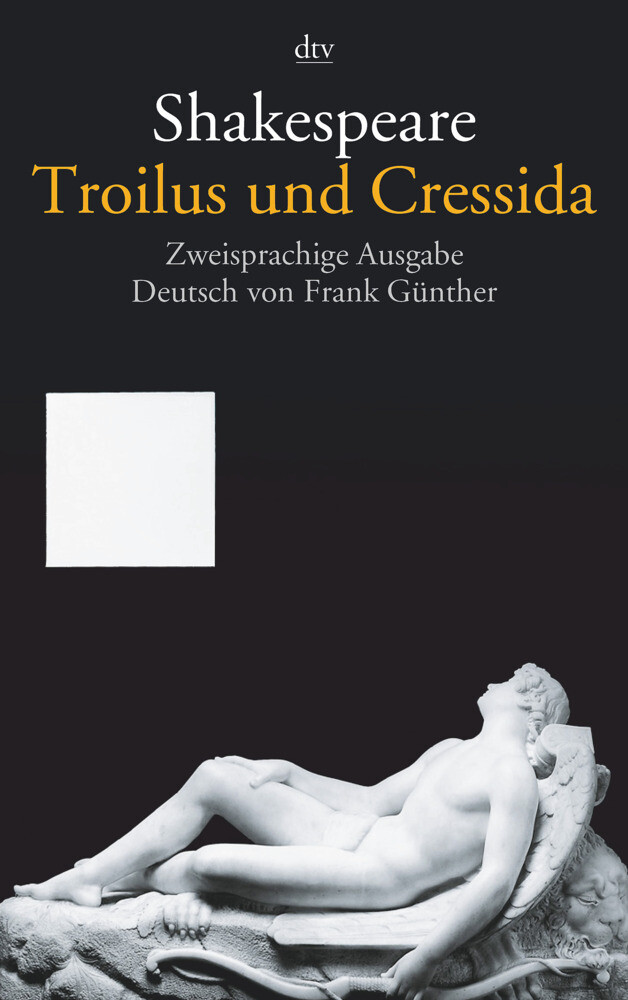
ULYSSES in «Troilus und Cressida»

500+ Monologe als PDF-Datei

3. Act, 3. Scene 

Ulysses and Achilles. 

Buch kaufen
ULYSSES: 
Time hath, my lord, a wallet at his back,
Wherein he puts alms for oblivion,
A great-sized monster of ingratitudes.
Those scraps are good deeds past, which are devoured
As fast as they are made, forgot as soon
As done. Perseverance, dear my lord,
Keeps honor bright; to have done, is to hang
Quite out of fashion, like a rusty mail
In monumental mock'ry. Take the instant way;
For honor travels in a strait so narrow
Where one but goes abreast. Keep, then, the path;
For emulation hath a thousand sons
That one by one pursue. If you give way,
Or hedge aside from the direct forthright,
Like to an ent'red tide they all rush by
And leave you hindmost;
[Or, like a gallant horse fall'n in first rank,
Lie there for pavement to the abject rear,
O'errun and trampled on.] Then what they do in present,
Though less than yours in past, must o'ertop yours;
For time is like fashionable host,
That slightly shakes his parting guest by th' hand,
And with his arms outstretched, as he would fly,
Grasps in the comer. The welcome ever smiles,
And farewell goes out sighing. Let not virtue seek
Remuneration for the thing it was. For beauty, wit,
High birth, vigor of bone, desert in service,
Love, friendship, charity, are subjects all
To envious and calumniating time.
One touch of nature makes the whole world kin,
That all with one consent praise new-born gawds,
Though they are made and moulded of things past,
And give to dust that is a little gilt
More laud than gilt o'er-dusted.
The present eye praises the present object.
Then marvel not, thou great and complete man,
That all the Greeks begin to worship Ajax;
Since things in motion sooner catch the eye
That what not stirs. The cry went once on thee,
And still it might, and yet it may again,
If thou wouldst not entomb thyself alive
And case thy reputation in thy tent;
Whose glorious deeds, but in these fields of late,
Made emulous missions 'mongst the gods themselves
And drave great Mars to faction.

PDF-Datei: 29,95 € 23,95 €


Weitere Formate auf Amazon & Play:
Taschenbuch / Kindle: 39,95 €
Google eBook: 29,95 €


UNSERE BÜCHER ALS PDF-DATEI


AUSWAHL

Was ist ein klassischer Monolog?

Ein klassischer Monolog ist ein dramatisches Element aus den bedeutendsten Stücken der Theatergeschichte, in dem ein Charakter seine tiefsten Gedanken, Gefühle und Pläne direkt dem Publikum offenbart. Diese Monologe stammen aus den Werken großer Dramatiker wie Shakespeare, Goethe, Molière und anderen, und bieten Schauspielern die Möglichkeit, ihre Fähigkeiten auf höchstem Niveau zu zeigen und eine tiefere Verbindung zum Zuschauer aufzubauen.

Unsere exklusive Sammlung klassischer Monologe für Männer

Unsere Webseite bietet eine umfassende Sammlung klassischer Monologe aus verschiedenen Epochen, speziell ausgewählt für Männer. Von den emotionalen Höhen und Tiefen der Tragödien bis hin zu den humorvollen Momenten der Komödien – hier findest du eine Vielzahl an Texten, die sich für jede Gelegenheit eignen. Jeder Monolog wurde sorgfältig ausgewählt, um dir eine breite Palette an Emotionen und Charakteren zu bieten.

Für Schauspieler

Bist du auf der Suche nach dem perfekten klassischen Monolog für dein nächstes Vorsprechen? Unsere Sammlung enthält Texte, die speziell für Vorsprechen geeignet sind. Ob du einen dramatischen, komischen oder tragischen Monolog bevorzugst, hier wirst du fündig. Jeder Monolog ist mit Hinweisen und Tipps versehen, die dir helfen, deine Darbietung zu optimieren und das Beste aus deinem Vorsprechen herauszuholen.

Für Theaterliebhaber

Auch wenn du kein Schauspieler bist, bietet unsere Sammlung eine wunderbare Möglichkeit, die Welt des klassischen Theaters zu erkunden. Tauche ein in die tiefgründigen Monologe berühmter männlicher Charaktere und entdecke die Schönheit und Kraft der dramatischen Kunst. Unsere Webseite bietet dir die Möglichkeit, Monologe nach Genre, Länge und Schwierigkeit zu filtern, sodass du genau das findest, wonach du suchst.

AUF DER BÜHNE © 2026